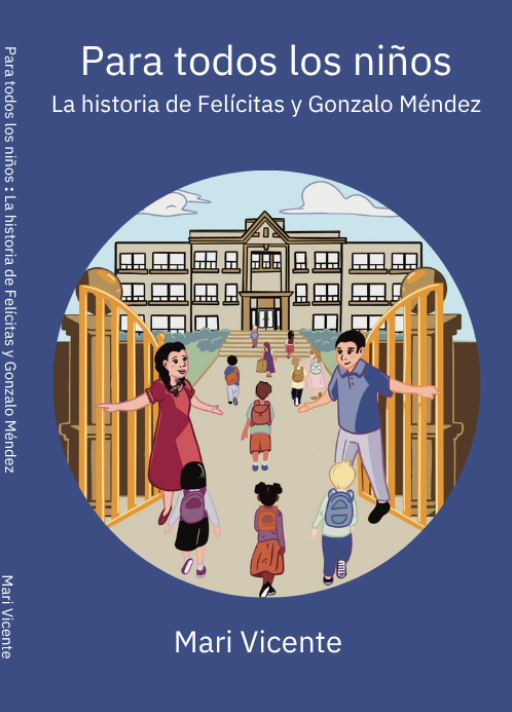
Para todos los niños
La historia de Felícitas y Gonzalo Méndez
In 1944 in Westminster, California, while white children attended a beautiful school with many resources, Latinx children had to attend a decrepit school surrounded by an electrical fence next to a cow pasture. When their children were forced to attend this terrible school, Felícitas and Gonzalo Méndez took a stand: They organized their community, hired a civil rights lawyer, and paid the lion's share of all legal fees.
This is the story of a family that challenged school segregation. The case Méndez v Westminster produced the famous words "Separate is never equal" for the first time in US history, setting the legal precedent for Brown v Board of Education and making California the first state in the USA to desegregate schools. This is story is about the power of banding together as a community to demand justice.
"Para todos los niños: La historia de Felícitas y Gonzalo Méndez" is a comprehensible novel (a type of literature geared to language learners) written at the intermediate level of Spanish that provides a full glossary. Teachers will find this story appropriate for Spanish learners in middle and high schools, for native Spanish speakers in elementary and secondary schools, and for students in Dual Language programs. It's also appropriate for non-native speakers to enjoy an inspiring, true story while practicing their Spanish skills. Native speakers of Spanish would learn an interesting chapter about Latinos and civil rights history in the United States.
Read a sample
From the book
A scene from Chapter 3, where Felícitas and Gonzalo confront the injustice their children face.
«Me siento orgullosa de que tuvimos el valor de luchar, no solamente por nuestros niños, sino por todos los niños y también por los niños del futuro». — Felícitas Méndez
Capítulo 3
No lo podemos aceptar
La segregación escolar era una práctica común en el suroeste1 de los Estados Unidos. En California en los años cuarenta, el 85% de las escuelas segregaba a los estudiantes. Sin embargo, muchos niños blancos y muchos niños latinos eran amigos. Ellos hablaban en el bus escolar. Algunos niños blancos iban a la finca donde vivían los Méndez para jugar con ellos.
Un día, Gonzalo y Felícitas Méndez tuvieron esta conversación:
—Gonzalo, no puedo aceptar que no quieran a nuestros hijos en las escuelas buenas. ¡Es tan injusto! —exclamó Felícitas.
Preocupado, Gonzalo recordó:
—De niño, yo sacaba buenas notas y me gustaba ir a la escuela. Pero éramos pobres2 y mi familia necesitaba mi ayuda. El día que tuve que dejar la escuela para trabajar y ayudar a mi familia fue el día más triste de mi vida. ¡Yo solamente estaba en quinto grado! Quiero algo mejor para mis hijos. Quiero una buena educación para ellos.
—Yo también tuve que dejar la escuela para ayudar a mis padres. Cuando era niña, mi familia y yo ganábamos salarios miserables trabajando en fincas inmensas. Yo también quiero un mejor futuro para nuestros hijos.
—Felícitas, a los mexicanos no nos permiten entrar a los parques ni a las piscinas, a los cines ni a los restaurantes donde van los blancos. Tampoco nos permiten aplicar a trabajos buenos.
—¡Así es, Gonzalo! Solo nos permiten acceso a los peores trabajos, con los peores salarios. Solo quieren que trabajemos en las fincas. Estoy cansada de todo esto. Y ahora, ¿tampoco quieren permitir a nuestros hijos en las escuelas? Nosotros somos ciudadanos3, ¡exactamente igual que los blancos! —exclamó Felícitas.
—Gonzalo, no puedo aceptar esta injusticia. ¡Tenemos que hacer algo! Pero, ¿qué podemos hacer?
1suroeste — southwest
2pobres — poor
3ciudadanos — citizens
The story continues...
Purchase the book →What readers are saying
Reader Reviews
I haven't loved a story this much in a long time
This book is a story I didn't know that needs to be told. I knew about Brown v. Board of Education. I did not know any of this. It would be great as a whole class novel in about level 2, or as a book for an independent learner or as a classroom library option, too. You'll be rooting for them all through the battle and admire every character who fought for the right to an education.
A story that needs to be told
This book is based on the true story of Felícitas and Gonzalo Méndez, parents whose children were forced to attend segregated schools in 1940's California, and chose to hire a civil rights lawyer and to fight the school board in the courts at their own expense. Their tenacious battle set the precedent for the better-known Brown vs Board of Education.
Wow, what a reader: beautifully written with stunning linocut illustrations. This story needs to be told and learned by students as we remember George Santayana's famous quote, "Those who cannot learn from history are doomed to repeat it".
A great book to read and teach as a whole-class novel in levels 2 and above, or as an independent read for end-of-year level 2 and above. Highly recommended!
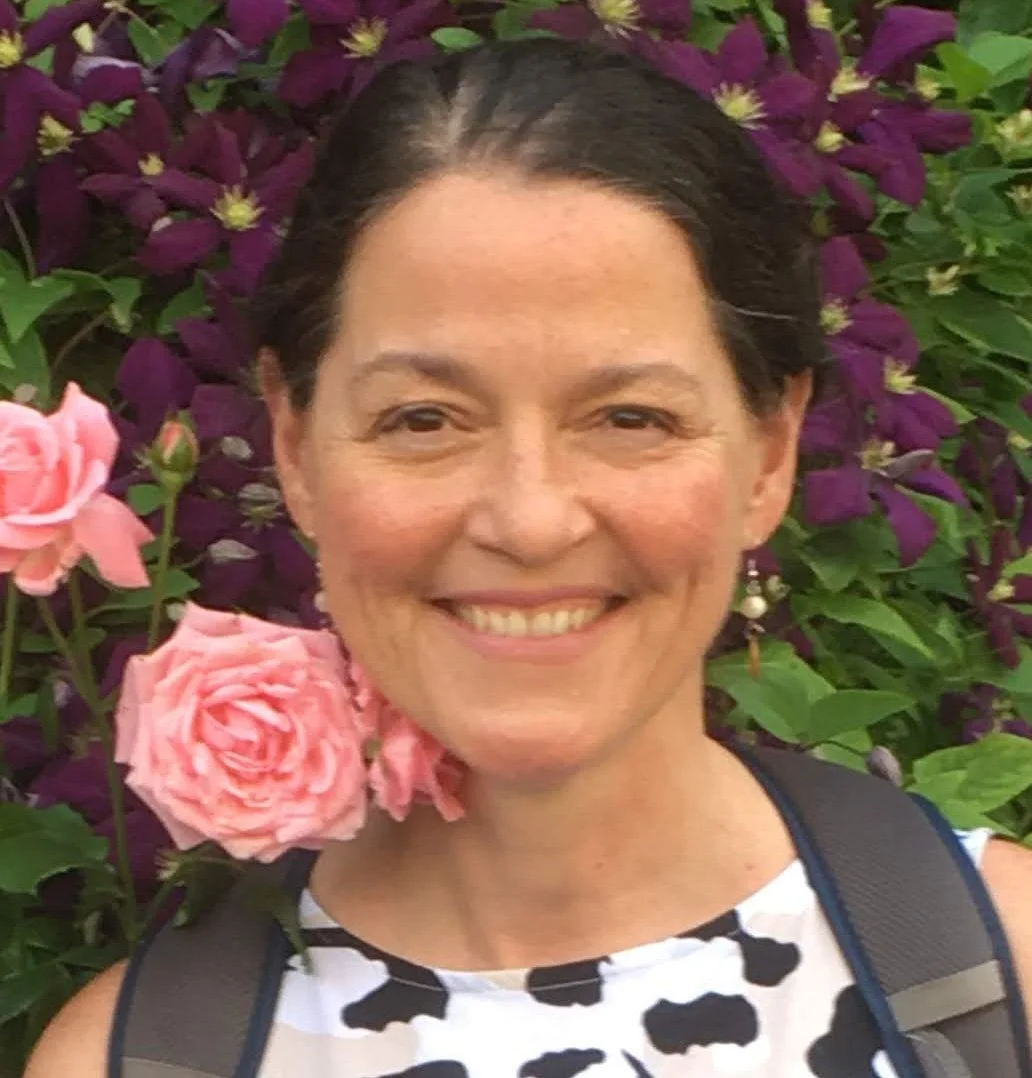
About the author
Mari Vicente is an author whose mission is to tell the stories of Latinos overlooked by history. Born from a passion for social justice, her writing celebrates the people who changed history, even when history forgot their names.
Mari has been a journalist, a counselor at both the elementary and middle school levels, and a Spanish teacher. She combines her writing, compassion, and pedagogical skills into her novels about Latinos and Latinas who have improved the world.
During her 18 years years as a Spanish teacher, she’s been passionate about teaching her students using real stories of real people who’ve done great things not only for themselves, but for their communities. “Para todos los niños: La historia de Felícitas y Gonzalo Méndez” is the first of what she hopes will be many comprehensible novels.